Trezor Login: A Comprehensive Guide to Secure Access
The digital currency world is constantly evolving, and with the rise of cryptocurrencies, the security of your digital assets has become more important than ever. One of the most trusted solutions in the cryptocurrency space is the Trezor hardware wallet, known for its robust security features and ease of use. If you’re looking to understand Trezor login, this guide will take you through everything you need to know—from setting up your wallet to logging in securely and managing your assets.
What is a Trezor Wallet?
Before diving into the login process, it’s crucial to understand what a Trezor wallet is and why it’s widely used among crypto enthusiasts.
Trezor is a hardware cryptocurrency wallet that stores private keys offline, ensuring your assets are secure from online threats like hacks, phishing attacks, and malware. Unlike software wallets, Trezor keeps your private keys offline, making it nearly impossible for hackers to access your funds remotely.
There are two main models of Trezor wallets:
Trezor One – The original model, known for its simplicity and affordability.
Trezor Model T – A premium version with a touch screen, additional security features, and support for more cryptocurrencies.
Both models require users to log in to access their funds, making understanding the Trezor login process essential.
Understanding Trezor Login
Trezor login isn’t like logging into a regular online account. Because Trezor is a hardware wallet, the login process is designed to maximize security. Your wallet doesn’t store any personal data on the cloud; instead, it relies on physical device verification and PIN codes to grant access.
The Trezor login process can be broken down into several steps:
Connecting Your Device
Entering Your PIN
Accessing Your Wallet via Trezor Suite or Web Interface
Each of these steps is designed to prevent unauthorized access and ensure that even if your computer is compromised, your funds remain secure.
Step 1: Connecting Your Trezor Device
The first step in the login process is to physically connect your Trezor wallet to your computer or mobile device.
Use the USB cable provided with your Trezor device.
Open the Trezor Suite app (official desktop app) or navigate to the Trezor web interface.
Important Tip: Always ensure that you are using the official Trezor Suite or the official website to avoid phishing scams. Phishing websites often mimic Trezor to steal your credentials.
Once connected, your Trezor device will prompt you to enter your PIN.
Step 2: Entering Your PIN
The Trezor PIN is a critical security measure. It ensures that even if someone has physical access to your device, they cannot access your funds without the PIN.
Here’s how the PIN system works:
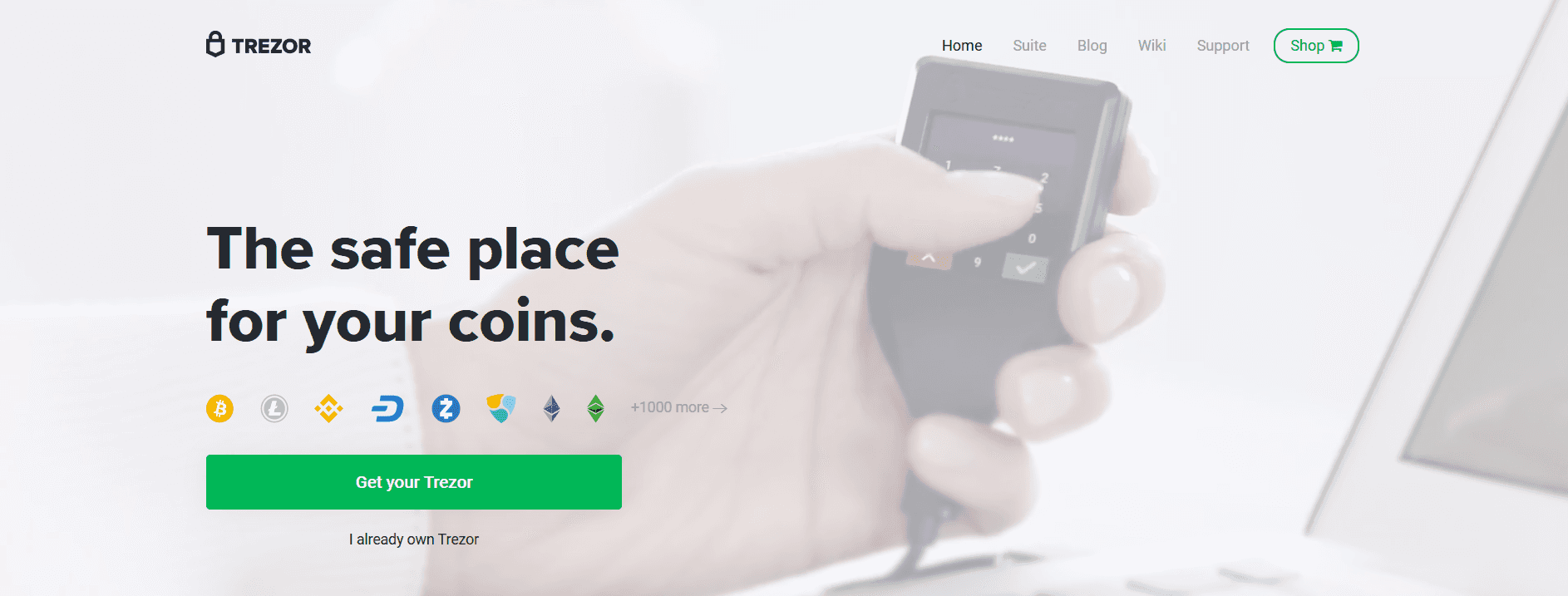
Your Trezor device will display a PIN matrix, which is a randomized grid of numbers.
On your computer screen, a corresponding empty matrix will appear.
You must click the numbers on your screen corresponding to the numbers on your Trezor device.
This dynamic PIN system ensures that keyloggers or screen capture malware cannot steal your PIN because the numbers are shuffled each time you log in.
Security Tip: Never enter your PIN on a device you do not trust. Even though the system is highly secure, it’s always safest to use your own device.
Step 3: Accessing Your Wallet via Trezor Suite
After successfully entering your PIN, you can access your wallet through Trezor Suite, which is the official management software for your device.
Key Features of Trezor Suite:
Portfolio Overview: Track all your cryptocurrencies in one place.
Transaction Management: Send and receive funds securely.
Exchange Integration: Trade assets directly through the interface.
Backup and Recovery: Manage your recovery seed safely.
The login process within Trezor Suite is straightforward: after entering your PIN, the app will automatically connect to your device, decrypt your wallet, and display your account overview.
Alternative Login: Using Trezor Web Interface
For users who prefer not to download Trezor Suite, you can also access your wallet via the Trezor web interface at wallet.trezor.io.
The steps are similar:
Connect your Trezor device via USB.
Enter your PIN on the device using the randomized matrix.
Access your portfolio and manage transactions directly from the browser.
While convenient, the web interface requires careful attention to security. Always check the URL for HTTPS and ensure that your browser is up to date to avoid vulnerabilities.
Trezor Recovery and Backup
Login isn’t only about entering your wallet—it’s also about ensuring that you never lose access to your assets. Trezor uses a recovery seed system, which is a backup of your private keys.
How Recovery Works:
During initial setup, Trezor generates a 12, 18, or 24-word recovery seed.
This seed must be written down and stored securely offline.
If your device is lost, damaged, or stolen, you can restore your wallet using the recovery seed on a new Trezor device or compatible wallet.
Security Tip: Never store your recovery seed digitally. Avoid taking photos or saving it on cloud storage, as these methods are vulnerable to hacking.
Common Trezor Login Issues and Fixes
Even though Trezor login is designed for simplicity, users sometimes face issues. Here are some common problems and solutions:
1. Device Not Recognized
Solution: Check the USB connection and ensure you are using an original Trezor cable. Try reconnecting or using a different USB port.
2. Forgotten PIN
Solution: If you forget your PIN, your wallet is not lost. Use your recovery seed to reset your device and create a new PIN.
3. Browser or App Errors
Solution: Clear your browser cache or update Trezor Suite. Make sure you are using a supported browser like Chrome, Firefox, or Edge.
4. Phishing Attacks
Solution: Always verify that you are on the official Trezor website or app. Double-check URLs and bookmarks to avoid fake login pages.
Best Practices for Secure Trezor Login
To maximize the security of your login process, consider the following best practices:
Enable Passphrase Protection: Add an extra layer of security by using a passphrase in addition to your PIN.
Keep Your Device Offline When Not in Use: Disconnect your Trezor from your computer when idle.
Regularly Update Firmware: Trezor frequently releases firmware updates to patch vulnerabilities and improve security.
Use a Trusted Computer: Avoid logging in from public or shared devices.
Avoid Password Managers for Your PIN: Since your PIN is entered manually, using a password manager defeats the purpose of the dynamic PIN system.
Trezor Login for Multiple Accounts
Trezor supports multiple accounts for different cryptocurrencies. Once logged in:
You can switch between Bitcoin, Ethereum, and other supported currencies seamlessly.
Each account is secured by the same device PIN and recovery seed.
Trezor Suite allows you to add custom accounts to manage multiple wallets efficiently.
Trezor Login vs. Other Hardware Wallets
When comparing Trezor login with other hardware wallets like Ledger, there are some key differences:
Dynamic PIN Matrix: Trezor uses a randomized PIN system, while some wallets use a static PIN.
Open-Source Firmware: Trezor’s firmware is open-source, allowing the community to audit security, unlike some proprietary wallets.
User-Friendly Interface: Trezor Suite is widely praised for its intuitive design compared to other wallet software.
These differences make Trezor particularly attractive for both beginners and experienced cryptocurrency users.
Conclusion
Understanding the Trezor login process is fundamental for anyone serious about cryptocurrency security. Unlike traditional online accounts, logging into a Trezor wallet involves physical device verification, dynamic PIN entry, and careful use of recovery seeds.
By following best practices, keeping your recovery seed secure, and regularly updating your device, you can ensure that your cryptocurrency assets remain safe from hackers, phishing attacks, and other threats.
Trezor is more than just a hardware wallet—it’s a complete security ecosystem for your digital assets. Logging in securely is the first step toward taking full control of your cryptocurrency portfolio with confidence.